Recipe of the Week - Foil Packet Cheesy Sausage and Peppers

Foil Packet Cheesy Sausage and Peppers are so easy to make on the grill if you’re camping, vacationing, or just looking for an easy dinner with even easier cleanup!

INGREDIENTS

  • Reynolds Wrap® Non-Stick Foil

  • 4 sweet or spicy Italian chicken sausage links, about 2 3/4 oz each

  • 2 medium onions, sliced into 1/4 inch strips

  • 2 red bell peppers, sliced into 1/4 inch strips

  • 1/2 tablespoon extra virgin olive oil

  • 3/4 cup marinara sauce

  • 1/2 cup shredded part-skim mozzarella

  • 3/4 teaspoon kosher salt

  • fresh black pepper, to taste

  • crusty bread, optional for serving

INSTRUCTIONS

  • Preheat the grill on high heat on one half and medium-low on the other.

  • In a large bowl combine the onions, pepper, olive oil, salt and pepper.

  • Make foil packets:

    • Tear off 4 12 x 18” sheets of Reynolds Wrap® Non-Stick Foil.

    • Divide the onions and peppers between 4 pieces of foil, with the dull side facing up. Top with 3 tablespoons marinara.

    • Bring up the long sides of the foil, so the ends meet over the food.

    • Double fold the ends, leaving room for heat to circulate inside. Double fold the two short ends to seal the packet tight, so no steam escapes.

    • Place the foil packets on the side of the grill with the medium-low heat. Cook until the vegetables are tender, about 25 minutes.

    • When ready, set aside and add the sausage to the medium-low side. At this point you can shut off the high side of the grill.

  • Cook sausage, 6 to 8 minutes turning often until cooked through in the center and place on a cutting board.

  • Open the foil packets, slice the sausage and add to the foil packets, top each with 2 tablespoons cheese and keep open.

  • Cover grill and leave until cheese melts, about 5 minutes. Serve with bread, if desired.

Nutrition Information

  • Serving Size: 1 Packet

  • Calories: 223

  • Carbohydrates: 12.5g

  • Protein: 18.5g

  • Fat: 11.5g

  • Saturated Fat: 3g

  • Cholesterol: 67.5mg

  • Sodium: 886.5mg

  • Fiber: 3g

  • Sugar: 5.5g

5 Quick Tips for Fitness Success

Photo by Jill Wellington from Pexels

Photo by Jill Wellington from Pexels

Looking for some easy ways to ensure you’re getting the best out of your workouts? Here’s five things to add to your routine.

  • Exercise Daily. Exercise daily for at least an hour.

  • Eat the Right Foods and Portion Each Meal. No matter how bad your stomach is telling you to go for candy over healthy food, try to stay away from sweets.

  • Keep Track of Calories and Food Intake Per Day.

  • Be Sure to Get Sleep.

  • Stay Motivated.

Should I Practice Mindfulness?

Photo by Elly Fairytale from Pexels

Photo by Elly Fairytale from Pexels

By: Erin Power

I’d argue that mindfulness is one of the biggest health trends of our time. It promises less stress, more inner peace, and a solid dose of self-awareness. It’s also a multi-billion-dollar industry, from apps that dole out guided meditations to full-on retreats in tropical locales.

But before you download the paid version of Headspace or investigate roundtrip fares to Bali, ask yourself this important question: Am I ready to stop operating on autopilot, repeating the same less-than-healthy patterns over and over again?

I’ll let you ponder one that for a minute.

What Is Mindfulness, Anyway?

Mindfulness is a 2,500-year-old practice. It’s the ability to be fully present, where you’re totally tuned into what’s happening, what you’re doing, and why you’re doing it — in the moment and without judgement.

A lot of my health coaching clients are convinced they’re being mindful when it comes to their eating habits, yet somehow, manage to polish off a bottle of wine or wheel of cheese without realizing it. Now, I’m all for hedonistic behaviour, but if your choices leave you full of regret, shame, and guilt, it’s probably worthwhile to pursue a different strategy.

Mindfulness isn’t for the faint of heart. It also isn’t great for perfectionists (if you’re determined to “get it right”), those with limited patience, or anyone looking for a temporary fix. Or if you don’t believe change is possible.

The Problem with Mindfulness

Contrary to most things in our instant gratification world, you probably won’t get results right away. Which is why mindfulness isn’t a great fit for everyone. In fact, one study showed that it can actually make stress worse, although it’s not clear if the outcome was related to the participants’ mindset, their mode of mindfulness, or a combo of both.

Read the rest of the article here:

View Article

Recipe of the Week - Gluten-free Coffee Infused Hazelnut Pancakes

Grain-free pancakes infused with coffee and hazelnuts for a roasty, nutty spin on this classic comfort food.

INGREDIENTS

  • 1/4 cup strong coffee

  • 2 tbsp. soft coconut oil

  • 2 tbsp. Milk of choice

  • 1/2 tsp. Vanilla extract

  • 3/4 cup ground hazelnuts (roasted)

  • 2 tbsp. ground flaxseed

  • 2 tbsp. tapioca starch

  • 2 tbsp. coconut flour

  • 1 tsp. baking powder

  • 1/4–1/2 tsp. ground coffee

  • 4 drops monk fruit extract sweetener

  • 3 room temperature large eggs

  • Coconut oil for the pan

INSTRUCTIONS

  • Place hazelnuts (we used roasted hazelnuts) in a high speed blender and blend until a fine flour forms. Don’t blend too long or you’ll get the beginnings of hazelnut butter. Measure out ¾ cup of the hazelnut flour and move to the next step.

  • In a bowl, whisk together the coffee, coconut oil, milk and vanilla extract until the coconut oil is melted and the mixture is combined.

  • Add the ground hazelnuts, ground flaxseed, tapioca starch, coconut flour, baking powder and ground coffee and whisk together. Add the monkfruit sweetener to taste (we used about 4 drops, but sweeten to fit your tastes).

  • Whisk in the eggs and mix until the batter is smooth.

  • Heat a pan over medium heat on your stovetop. You can use a small skillet or regular 9” one. Once hot, add a small amount of coconut oil (about 1-2 teaspoons or so) and swirl it around the pan. Quickly scoop the batter out into 1, 2 or 3 pancakes on the pan, depending on the size of your pan. Allow them to cook until the edges of the pancakes are bubbling and slightly set, then carefully flip them. Allow them to cook on the other side until the pancakes are fairly firm. Remove the pancakes from the pan with a spatula.

  • Add a little more coconut oil to the pan and repeat until you’ve used up all of the pancake batter. Enjoy as is or top with a little bit of syrup and chopped hazelnuts.

Nutrition Information

  • Serving Size: 2 Pancakes

  • Calories: 285.3

  • Sugar: 11.2 g

  • Sodium: 187.9 mg

  • Fat: 21.6 g

  • Saturated Fat: 7.4 g

  • Unsaturated Fat: 13 g

  • Trans Fat: 0.1 g

  • Carbohydrates: 15.2 g

  • Fiber: 1.8 g

  • Protein: 21.3 g

  • Cholesterol: 55.6 mg

Recipe of the Week - Ground Turkey Skillet with Zucchini, Corn, Black Beans, and Tomato

This quick, one-pot Ground Turkey Skillet with zucchini, corn, tomatoes, and black beans is great for weeknight dinner or meal prep!

INGREDIENTS

  • 14 ounces from 2 medium or 1 large zucchini, quartered and sliced 3/4 inch

  • 1 pound 93% lean ground turkey

  • 1/4 cup chopped onion

  • 1 tablespoon tomato paste

  • 3/4 cups canned black beans, rinsed and drained

  • 3/4 cups corn kernels, fresh or frozen

  • 1 large diced tomato1 jalapeño, diced

  • 1 cloves garlic, minced

  • 2 tbsp chopped cilantro, plus more for garnish

  • 1 1/4 teaspoon cumin

  • 1 1/4 teaspoon kosher salt

  • 1/4 cup waterlime wedges, optional

INSTRUCTIONS

  • Spray a large skillet over high heat with oil and brown the turkey, season with 1 teaspoon salt and 1 teaspoon cumin.

  • Cook breaking the meat up until the turkey is cooked through, about 5 minutes.

  • Push the meat to the side, add the onion and tomato paste and cook 1 minute.

  • Add the black beans, corn, tomato, jalapeño pepper and corn and stir with 1/4 cup water.

  • Add the zucchini remaining 1/4 teaspoon salt and cumin.

  • Mix and cover, cook low 4 to 5 minutes or until the zucchini is tender crisp.

  • Serve with lime wedges and more cilantro if desired.

Nutrition Information

  • Serving Size: 1 and 1/2 Cups

  • Calories: 266

  • Carbohydrates: 22.5g

  • Protein: 28g

  • Fat: 8.5g

  • Saturated Fat: 2.5g

  • Cholesterol: 80mg

  • Sodium: 525mg

  • Fiber: 6.5g

  • Sugar: 4g

Should Women Fast?

Photo by Polina Tankilevitch from Pexels

Intermittent Fasting for Women: What We Know Now

By: Mark Sisson

The blank slate hypothesis has fallen. Everyone comes into this world imbued with attributes, characteristics, and predilections that are uniquely theirs. We’re all humans, but we’re a diverse bunch, and that makes it interesting. And though it also makes giving cookie cutter health advice impossible, I just take that as an opportunity to stand out from the crowd and provide actionable advice that genuinely helps real people.

A perfect example is biological sex. Anyone who’s lived with the opposite sex, been married, or had kids of different sexes knows that males and females are different—on average.

There’s a ton of overlap, don’t get me wrong.

We all need fat, protein, and carbohydrates. We all have the same requirements for sustenance and wellness. We all breathe oxygen, get stronger and fitter when we work out, use the same neurotransmitters, and produce the same hormones. The biological basics are identical.

It’s the details that differ. And matter.

Take fasting.

Read the rest of the article here:

View Article

Recipe of the Week - Asparagus and Swiss Cheese Frittata

Spring asparagus, shallots and Swiss cheese is a delicious combination with eggs in this slimmed down frittata which is perfect for breakfast, lunch or dinner!

INGREDIENTS

  • 1/2 lb asparagus, tough ends trimmed off

  • 1/2 cup shallots, chopped

  • 2 teaspoons salted butter

  • 5 large eggs

  • 4 large egg whites, (1/2 cup)

  • 2 tbsp fresh grated Pecorino Romano

  • 3 oz part-skim Swiss cheese

  • 1/2 tsp kosher salt and fresh pepper to taste

INSTRUCTIONS

  • Steam asparagus crisp and tender, about 3 to 4 minutes. Thinly slice on the diagonal into 1/2-inch pieces.

  • Preheat oven to 350°F.

  • Heat butter in a 10-inch oven safe skillet over medium heat. Stir in shallots and saute until golden, about 4-5 minutes. Add steamed asparagus, salt and pepper.

  • In a medium bowl whisk eggs, egg whites, grated cheese, salt, and pepper. Add the Swiss cheese and mix well.

  • Add eggs to the skillet making sure eggs cover the asparagus. Cook on medium for about 4 minutes, until the edges begin to set.

  • Move the skillet to oven. Cook about 16 to 18 minutes, or until frittata is completely cooked.

  • Serve hot, cut into 4 equal wedges.

Nutrition Information

  • Serving Size: 1/4 of Frittata

  • Calories: 243

  • Carbohydrates: 9g

  • Protein: 19g

  • Fat: 15g

  • Saturated Fat: 7g

  • Cholesterol: 259mg

  • Sodium: 386mg

  • Fiber: 1g

  • Sugar: 3g

When Should I Eat?

Photo by Cats Coming from Pexels

Photo by Cats Coming from Pexels

By: Erin Power

Hey folks! This week, Erin Power is back to answer your questions about when you should be eating. If you’re wondering if you should be having breakfast, how to avoid being ravenous after a cross-country flight, or the best way to navigate summer BBQs, you won’t want to miss this post. Keep sharing your questions on our Mark’s Daily Apple Facebook page or in the comments below.

Rachel asked: “I’m not typically a breakfast eater. Should I force myself to have breakfast even if I’m not hungry in the morning?”

I’m a front loader when it comes to eating. That means I put the most emphasis on my first meal of the day. And you should too if you want to avoid the grazing, eating-every-three hours mentality that, in my opinion, is totally contradictory to the way we were meant to feed ourselves.

Assuming you work a first shift job, it makes sense to fuel the day ahead of you. Plan on having your most nutrient-dense meal in the morning – or whenever your first meal of the day is. Remember, breakfast is when you BREAK YOUR FAST. It doesn’t have to be at 6am when you wake up. It could be at 8am or 11am or 2pm.

But What If You’re Not Hungry?

If you’re not hungry when you wake up, you’re not alone. Most people’s daily food intake looks something like this:

  • Eat as little as possible throughout the day, constantly thinking about what you’re going to eat and when you can eat it

  • Decide you can’t take it anymore and binge on a huge evening meal

  • Feel unsatiated, so you continue to snack until bedtime

  • Wake up still feeling full, likely with undigested food in your system.

View Article

Recipe of the Week - Shrimp Egg Rolls

Easy Shrimp Egg Rolls inspired by my favorite Chinese take-out only healthier, loaded with shrimp in every bite. Air fryer or baked!

INGREDIENTS

  • 1 tablespoon toasted sesame oil

  • 1 teaspoon grated ginger

  • 3 garlic cloves, minced

  • 2 large scallions, chopped

  • 3 cups chopped green cabbage

  • 1/2 cups shredded carrots

  • 2 tablespoons reduced sodium soy sauce

  • 1/2 tablespoon unseasoned rice vinegar

  • 1/2 pound large peeled raw shrimp, chopped

  • 6 egg roll wrappers

  • Olive oil spray

  • Sweet chili sauce, duck sauce or spicy mustard, for dipping (optional)

INSTRUCTIONS

  • In a large skillet, heat sesame oil over medium-high heat. Add the shrimp and sauté, until shrimp is almost cooked through, 1 to 2 minutes.

  • Add ginger, garlic and scallions. Sauté until fragrant, about 30 seconds. Add cabbage and carrots, soy sauce and vinegar.

  • Cook on high heat until vegetables are tender crisp, about 2 to 3 minutes. Transfer to a colander to drain and let cool.

  • One at a time, place egg roll wrapper on a clean surface, points facing top and bottom like a diamond. Spoon a 1/3 cup mixture onto the bottom third of the wrapper.

  • Dip your finger in a small bowl of water and run it along the edges of the wrapper. Lift the point nearest you and wrap it around the filling.

  • Fold the left and right corners in toward the center and continue to roll into a tight cylinder. Set aside and repeat with remaining wrappers and filling.

  • Spray all sides of the egg rolls with oil using your fingers to evenly coat.

  • In batches, cook 370F for 5 to 7 minutes, turning halfway through until golden brown.

  • Serve immediately, with dipping sauce on the side, if desired.

  • To make this in the oven:

  • Preheat oven to 425F, then stuff and bake until golden on both sides, 15 to 20 minutes.

Nutrition Information

  • Serving Size: 1 Egg Roll

  • Calories: 137

  • Carbohydrates: 16g

  • Protein: 11g

  • Fat: 3g

  • Saturated Fat: 0.5g

  • Sodium: 414mg

  • Fiber: 1g

  • Sugar: 1.5g

Origin of Covid: Following the Clues

Photo by Anna Shvets from Pexels

Photo by Anna Shvets from Pexels

Did people or nature open Pandora’s box at Wuhan?

By: Nicholas Wade

The Covid-19 pandemic has disrupted lives the world over for more than a year. Its death toll will soon reach three million people. Yet the origin of pandemic remains uncertain: the political agendas of governments and scientists have generated thick clouds of obfuscation, which the mainstream press seems helpless to dispel.

In what follows I will sort through the available scientific facts, which hold many clues as to what happened, and provide readers with the evidence to make their own judgments. I will then try to assess the complex issue of blame, which starts with, but extends far beyond, the government of China.

By the end of this article, you may have learned a lot about the molecular biology of viruses. I will try to keep this process as painless as possible. But the science cannot be avoided because for now, and probably for a long time hence, it offers the only sure thread through the maze.

The virus that caused the pandemic is known officially as SARS-CoV-2, but can be called SARS2 for short. As many people know, there are two main theories about its origin. One is that it jumped naturally from wildlife to people. The other is that the virus was under study in a lab, from which it escaped. It matters a great deal which is the case if we hope to prevent a second such occurrence.

View Article

Recipe of the Week - Turkey Picadillo

Turkey Picadillo is a lighter alternative to my favorite Cuban beef picadillo recipe only much leaner, and made with ground turkey instead.

INGREDIENTS

  • 1.33 lb 93% lean ground turkey

  • 4 oz tomato sauce, (1/2 can)

  • 1 tsp kosher salt1 tsp ground cumin

  • 2 small bay leaves

  • 2 tbsp green Spanish pitted olives, plus 2 tbsp brine

  • Sofrito:

    • 1 medium tomato

    • 1/2 medium onion, finely chopped

    • 2 cloves minced garlic

    • 2 tbsp red bell pepper, finely chopped

    • 2 tbsp cilantro, optional

INSTRUCTIONS

  • Brown the ground turkey on medium heat in large sauté pan and season with salt and pepper. Use a wooden spoon to break the meat up into small pieces.

  • Meanwhile, while turkey is cooking, make the sofrito by chopping onion, garlic, pepper, tomato and cilantro. (I quickly do it in my mini chopper)

  • Add sofrito to the meat and continue cooking on a low heat.

  • Add olives and about 2 tbsp of the brine (this adds great flavor) cumin, bay leaves, and more salt if needed.

  • Add tomato sauce and 1/4 cup of water and mix well.

  • Reduce heat to low and simmer covered about 15 to 20 minutes to let the flavors meld.

Nutrition Information

  • Serving Size: 1/2 Cup

  • Calories: 238

  • Carbohydrates: 7.5g

  • Protein: 29g

  • Fat: 11g

  • Saturated Fat: 3g

  • Cholesterol: 100mg

  • Sodium: 354mg

  • Fiber: 1.5g

  • Sugar: 2.5g

10 Reasons You Should be Strength Training

Photo by Evelyn Chong from Pexels

Photo by Evelyn Chong from Pexels

It’s time you ran out of excuses. Here are ten great reasons to get up and start adding strength training to your regime.

  1. You will be "better" at EVERYTHING!

  2. You will BURN more CALORIES!

  3. You will IMPROVE your mood and handle stress more easily.

  4. You will HELP your heart!

  5. You will BUILD stronger bones!

  6. You will REDUCE your risk of diabetes (and improve your quality of life if you have diabetes)!

  7. You will "lose" more weight and look "slimmer"!

  8. You will stand taller!

  9. You will have better focus!

  10. You will sleep better!

Recipe of the Week - Watermelon Feta Salad

This easy Watermelon Feta Salad, made with only four ingredients, is a summer staple at your next summer BBQ!

INGREDIENTS

  • 9 cups watermelon, cut in large circles with a melon baller

  • 2 loose cups baby arugula

  • 8 to 10 fresh spearmint leaves, chopped

  • 8 ounce package feta cheese, crumbled in large chunks

INSTRUCTIONS

  • Using a melon baller, prepare the melon into large balls. Set aside in a bowl until ready to serve.

  • About 30 minutes before you’re ready to serve, drain the liquid from the bowl (I poured it into a cup and drank it!).

  • Scatter half of the watermelon into a large, shallow serving bowl and scatter half of the arugula and feta on top, repeat with the remaining watermelon, arugula and feta then top everything with fresh mint.

Nutrition Information

  • Serving Size: 1 Cup

  • Calories: 85

  • Carbohydrates: 9.5g

  • Protein: 3.5g

  • Fat: 4g

  • Saturated Fat: 3g

  • Cholesterol: 17mg

  • Sodium: 213.5mg

  • Fiber: 0.5g

  • Sugar: 8g

How Important Is Consistency in Fitness?

Photo by Brett Jordan from Pexels

Photo by Brett Jordan from Pexels

By: Mark Sisson

Time to take an informal poll. Who here fits in two strength training sessions, 1-2 sprint/interval sessions and 3-5 hours of walking or low level cardio on top of ample play time – every single week? I’m betting there’s still a lot of hands raised in this crowd, but I’m going to wager I lost quite a number as the list went on. In an ideal world with a perfect schedule, we’d all consistently reach these goals. The best results come from this general protocol. That said, this level of regularity is probably the exception rather than the rule if you’re talking about the long-term – month after month, year after year. And, yet, plenty of us are in great shape – even if we didn’t always fit in the above full regimen. Hmm… Maybe the concept of consistency is more nuanced than we normally give it credit for.

The fact is, there are a lot of legitimate reasons to skip workouts now and then. You’re sick. Your kids are sick (and it’s the kind where there’s really no getting away). A minor catastrophe at work keeps you (long) after hours. You overdid it during your last workout or are paying for a weekend warrior stint that pushed you far beyond your comfort zone. You spent weeks dedicated to P90X or some other high octane routine, and now you’re totally burned out on it. You joined a gym and became a regular in a couple of classes, but now you’re not feeling it anymore. Maybe you tend to jump from thing to thing, experimenting with equipment and trends here and there. Like most people, you go through periods of consistency, even intense dedication, and then you settle out into phases of rest or even brief recess.

View Article

The Best Way to Hydrate

Photo by Daria Shevtsova from Pexels

Photo by Daria Shevtsova from Pexels

By: Erin Power

We’re all looking for the perfect formula, right? Just tell me how many grams of fat and carbs to eat. How many steps to take per day. And how many glasses of water I should be drinking within a 24-hour period.

We love the precision of it all. The safety of micromanaging every detail of our life with the promise that if we can dial it in enough, we’ll enjoy perfect health for the rest of our days. But when you think about all the forcing, measuring, counting, and obsessive overplanning that goes into this kind of micromanagement, there’s actually nothing healthy about it.

There’s nothing healthy about ignoring your body’s own cues in favor of what general nutrition — or random social media influencers say. Nutrition might be a science, but it’s also an art form. And learning to trust your body and what it’s trying to tell you trumps any water-to weight-ratio chart you’ll find online.

But How Much Water Should You Drink?

View Article

Recipe of the Week - Cheeseburger Crunch Wrap

This Cheeseburger Crunch Wrap is so easy, stuffed with classic burger ingredients and wrapped in a crunchy tortilla. Use any burger meat you wish here!

INGREDIENTS

  • 8 ounces 93% ground turkey

  • 3/4 teaspoon kosher salt

  • 2 large, 10-inch low-carb tortillas (Tumaros)

  • 2 slices American or cheddar, (.7 ounces each)

  • 2 tablespoons ketchup

  • 1 tablespoon golden mustard

  • dill pickle and red onion slices

  • shredded lettuce

  • olive oil spray

  • Optional for crunch: Add air fryer french fries or chips, if desired (extra)

INSTRUCTIONS

  • Form meat into two flat patties, 1/3 inch thick. Season with salt.

  • For Skillet:

    • Spray a skillet and heat over medium heat. Add the burgers and cook 5 minutes on each side, until cooked through.

    • Wipe clean and spray with oil, keep heated over medium-low heat.

    • Place the burger in the center of the wrap followed by the cheese, pickles, onion, ketchup, mustard and lettuce. Fold the sides over to crunch wrap it by folding the sides over each other.

    • Place on the hot skillet, folded side down. Cook until browned, 1 to 2 minutes, then flip and continue cooking until browned and crisp, 1 to 2 minutes more.

  • For Air Fryer:

    • Air fry the burgers 400F 10 to 14 min turning halfway, until cooked through in the center.

    • Wipe the air fryer basket clean and spray with oil.

    • Place the burger in the center of the wrap followed by the cheese, pickles, onion, ketchup, mustard and lettuce.

    • Fold the sides over to crunch wrap it and place it on the air fryer basket, folded side down.

    • Preheat your air fryer for 5 minutes at 400 degrees F, and then add your wrap inside folded side down, spritz the top with oil and air fry for 4 to 5 minutes, flip carefully halfway.

Nutrition Information

  • Serving Size: 1 Crunch Wrap

  • Calories: 354

  • Carbohydrates: 22g

  • Protein: 33g

  • Fat: 18.5g

  • Saturated Fat: 6.5g

  • Cholesterol: 103.5mg

  • Sodium: 1282.5mg

  • Fiber: 10g

  • Sugar: 1.5g

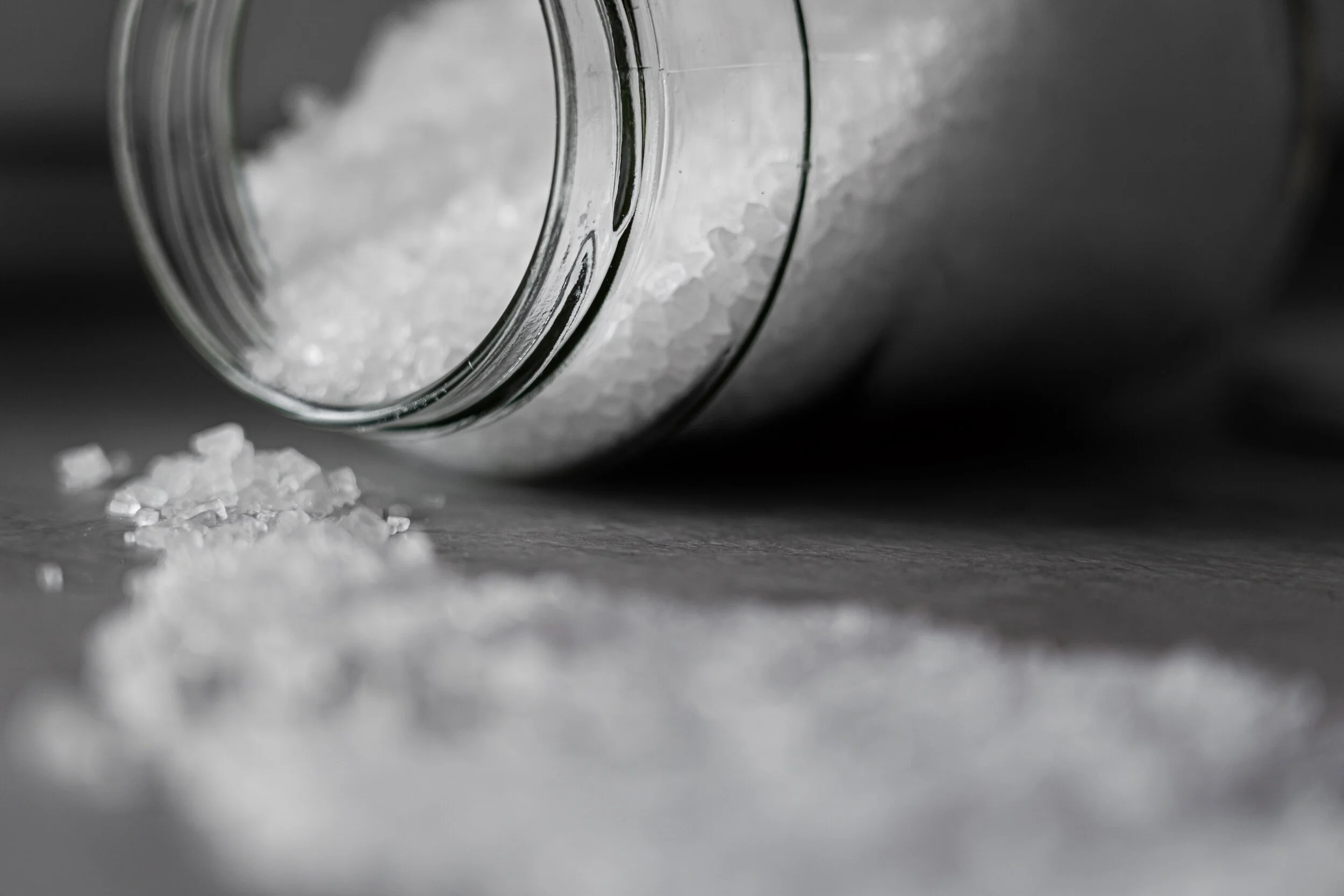
Are Salt and Sodium Bad for You?

Photo by Castorly Stock from Pexels

Photo by Castorly Stock from Pexels

By: Mark Sisson

Other than saturated fat, I can’t think of a nutrient that’s been so universally maligned and demonized as salt. All the experts hate it and recommend that we get as little of it as possible. They even all seem to have their own little anti-salt slogans. The American Diabetes Association recommends between 2300 and 1500 mg of sodium per day (“Be Sodium Savvy”). The American Heart Association wants you eating less than 1500 mg per day and claims that 97% of young people already eat way too much salt. The Academy of Nutrition and Dietetics (formerly the American Dietetic Association) also recommends keeping sodium below 2300 mg.

Why has salt been cast in such a negative light?

Why Salt Became Worrisome

Back in the 1980s, researchers launched a massive global study of salt intake and blood pressure called INTERSALT. Overall, it showed a modest association between the two, but some groups, particularly the undeveloped, non-industrial peoples who had very little access to salt (and other trappings of industrialization), had blood pressure that was generally extremely low.

Foremost among these groups were the Yanomami of the Amazon rainforest.1 The Yanomami have very low sodium excretion, which indicates very low sodium intake, and very low blood pressure. Even the elderly Yanomami enjoyed low blood pressure.

Sounds convincing, right? Low salt intake, low lifelong incidence of hypertension – how much more cut and dry can you get? This low salt and low blood pressure connection seemed to also apply to other groups who happened to be living more traditional ways of life.

Except that there’s another non-industrialized group (and you only need one) whose slightly different results kinda muck up the Yanomami argument: the Kuna of Panama.

Among the Kuna, a tribe native to Panama, both salt intake and blood pressure were also historically low well into old age. To study whether the two variables were linked, researchers examined a group of “acculturated” Kuna2 with ample access to salt and an otherwise strict adherence to their traditional way of life. Little changed but the salt intake. in other words. But, despite consuming an average of 2.6 daily teaspoons of salt (and sometimes up to 6 teaspoons), the Kuna did not have hypertension, not even in old age. In other words, there was no change between the hypertensive statuses of 20 year old Kuna and 60 year old Kuna, even though they ate more salt.

View Article

Recipe of the Week - Low Yolk Egg Salad

This easy, low-yolk egg salad is made with a mix of whole eggs and egg whites with a little mayo and scallions. Serve this on your favorite whole grain bread, in a wrap or lettuce wrap.

INGREDIENTS

  • 4 large hard boiled eggs, peeled

  • 4 teaspoons light mayonnaise, *check labels for whole30

  • 1/2 teaspoon Dijon mustard

  • 2 tbsp chopped green scallions or chives

  • kosher salt and fresh pepper to taste

INSTRUCTIONS

  • Separate the yolks from the egg whites and discard 2 of the yolks.

  • Chop the eggs and combine with mayonnaise, dijon mustard, scallions, salt and pepper.

Nutrition Information

  • Serving Size: 1/2 of the Salad

  • Calories: 122k

  • Carbohydrates: 2g

  • Protein: 9.5g

  • Fat: 7.6g

  • Saturated Fat: 2g

  • Cholesterol: 189mg

  • Sodium: 235mg

  • Sugar: 0.5g

Nine Best At-Home Cardio Workouts

Photo by Dom J from Pexels

Photo by Dom J from Pexels

Looking to get your cardio going without needing to head to the gym? Check out these nine exercises you can easily do at home!

1) Jump Rope

2) Jumping Jacks

3) Jog in Place

4) Burpees

5) Mountain Climbers

6) Squat Jumps

7) Bear Crawl Push Ups

8) Kick Boxing

9)Staircase Exercise

And the best of all . . . get outside and run, walk, or play!

*Need more detailed information? Click Here.

Thank Goodness for Failure!

Photo by Georges Tomazou from Pexels

Photo by Georges Tomazou from Pexels

By: Mark Sisson

For our animal brethren, mistakes are very often fatal. Stockpiling too little food for the winter, zigging when they should have zagged to escape the predator’s clutches, or stepping awkwardly and breaking a leg could, and probably did, spell the end.

For better or worse, we modern humans usually get to live with the consequences of our actions. We are around to deal with the aftermath of our mistakes. Even though most of our daily screw-ups are of little consequence in the big picture of life, they still feel awful. Our mammalian brains are wired to be highly averse to failure, pain, and social rejection, though they are unavoidable. As long as you’re living and breathing, you’re going to make mistakes, sometimes big ones.

And if you’re really living—trying new things, boldly blazing a trail for yourself, taking big leaps—you will crash and burn sometimes. You’ll lose your shirt in a business deal gone wrong, someone you care about will break your heart, a perfect opportunity will pass you by because you didn’t pull the trigger at the right time.

I’m speaking from experience here. I like to think I have lived life boldly and to the fullest, and as a result, I have failed big more than a few times. And you know what? I’m profoundly grateful for those failures. Without exception, every failure was a crucial stepping stone to where I am today. From my vantage point as a not-young man (I’m not ready to call myself old yet), I can look back and honestly say that I wouldn’t be where I am today without failing.

View Article